
Introduction
Let’s be honest—most men don’t like talking about bladder problems. It feels uncomfortable, even embarrassing.
But if you’re noticing unexpected urine leaks, sudden urges to go, or difficulty holding it in, you’re not alone—and it’s not something to ignore.
Urinary incontinence (UI) is a common issue that affects men of all ages, and the earlier you talk to a doctor, the easier it is to manage. In many cases, it’s treatable and completely reversible.
So, how do you know when it’s time to seek help? Let’s go through the signs.
1. When Leaks Happen Often
Occasional leaks might not seem serious, especially after a big laugh or intense workout. But if you’re:
- Leaking every day,
- Needing to wear a pad or change clothes often, or
- Losing control during normal activities like walking or lifting,
…it’s time to check in with a healthcare provider.
Frequent leakage can signal stress incontinence or muscle weakness that can often be improved with therapy or exercises.
2. When You Feel a Sudden, Uncontrollable Urge to Pee
If you find yourself rushing to the bathroom and not always making it in time, that’s a sign of urge incontinence—often caused by an overactive bladder or nerve issues.
You don’t have to live with the stress of always planning your day around toilet access. There are simple medications and training programs that can help calm bladder spasms and reduce those sudden urges.
3. When You’re Getting Up Multiple Times at Night
Waking up once during the night to urinate is normal for most men, but if it’s happening three or more times, it could point to:
- An enlarged prostate (BPH),
- Bladder irritation, or
- Poor bladder emptying (overflow incontinence).
A quick evaluation can rule out serious problems and help you sleep better—something every man deserves.
4. When You Notice Pain, Burning, or Blood in Urine
These are red flags.
Pain, burning, or blood in the urine may indicate:
- A urinary tract infection (UTI),
- Bladder or prostate inflammation, or
- (Rarely) more serious conditions such as bladder cancer.
Don’t try to “wait it out.” Prompt medical attention can catch and treat the cause early, preventing complications.
5. When You Feel Like You’re Not Emptying Your Bladder Fully
If you constantly feel like there’s urine left even after going, or if your stream is weak or dribbly, this could be overflow incontinence.
Often linked to an enlarged prostate or blocked urethra, this condition causes the bladder to overfill and leak small amounts over time. A doctor can easily check bladder function using a painless scan or ultrasound.
6. When Incontinence Affects Your Daily Life
When bladder issues start interfering with work, travel, exercise, or intimacy—it’s definitely time to speak up.
Many men begin to avoid social activities or relationships out of fear of leakage. This can lead to isolation, anxiety, or even depression.
The right treatment not only helps physically—it restores confidence and quality of life.
7. When You’ve Tried Lifestyle Changes But Still Have Leaks
If you’ve already cut back on caffeine, done Kegel exercises, or adjusted your fluid intake but still have symptoms, you deserve a professional evaluation.
A doctor can help determine whether medication, physiotherapy, or a minimally invasive procedure could help you fully regain control.
What Your Doctor Will Likely Do
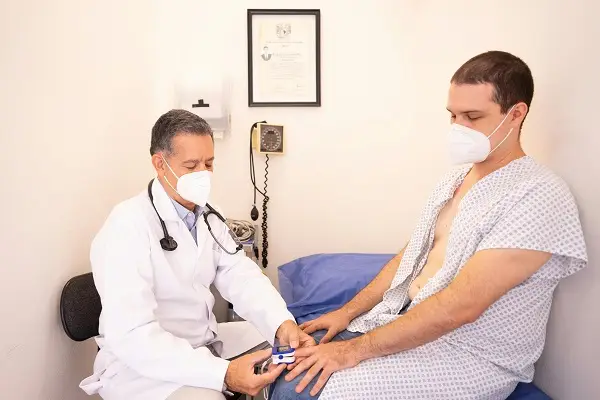
A typical appointment for urinary incontinence is simple and discreet. It may include:
- A conversation about your symptoms and habits.
- A urine test to rule out infection.
- A bladder scan or ultrasound to check for leftover urine after peeing.
- A prostate exam to check for enlargement.
In some cases, more advanced tests—like urodynamic studies—are done to measure how well your bladder stores and releases urine.
What Treatment Might Look Like
Depending on the cause, your doctor may suggest:
- Pelvic floor therapy or guided exercises.
- Medications that relax bladder muscles or shrink an enlarged prostate.
- Bladder training programs to improve control.
- In more advanced cases, surgical options like male slings or artificial urinary sphincters.
The best part? Most men see significant improvement within weeks or months of starting treatment.
Why You Shouldn’t Feel Embarrassed
Talking about bladder leakage might feel awkward—but remember, doctors deal with this every day.
Urinary incontinence is one of the most treatable men’s health issues. The sooner you get help, the faster you’ll feel like yourself again.
Final Thoughts
Ignoring urinary incontinence doesn’t make it go away—it just delays relief.
If you’re noticing regular leaks, sudden urges, or nighttime trips to the bathroom, make an appointment with your healthcare provider.
Early evaluation can reveal the cause, prevent complications, and help you regain full bladder control—and confidence—in your everyday life.
Keywords: urinary incontinence men, when to see a doctor, bladder leakage signs, male bladder health, urge incontinence treatment, prostate problems